Dental bridges to replace
one or more missing teeth
A fixed restoration to fill gaps in your smile, with support and materials selected for your clinical needs.
The gap left by missing teeth
Losing one or more teeth can affect chewing and contact between the arches. Over time, neighbouring teeth may move towards the gap.
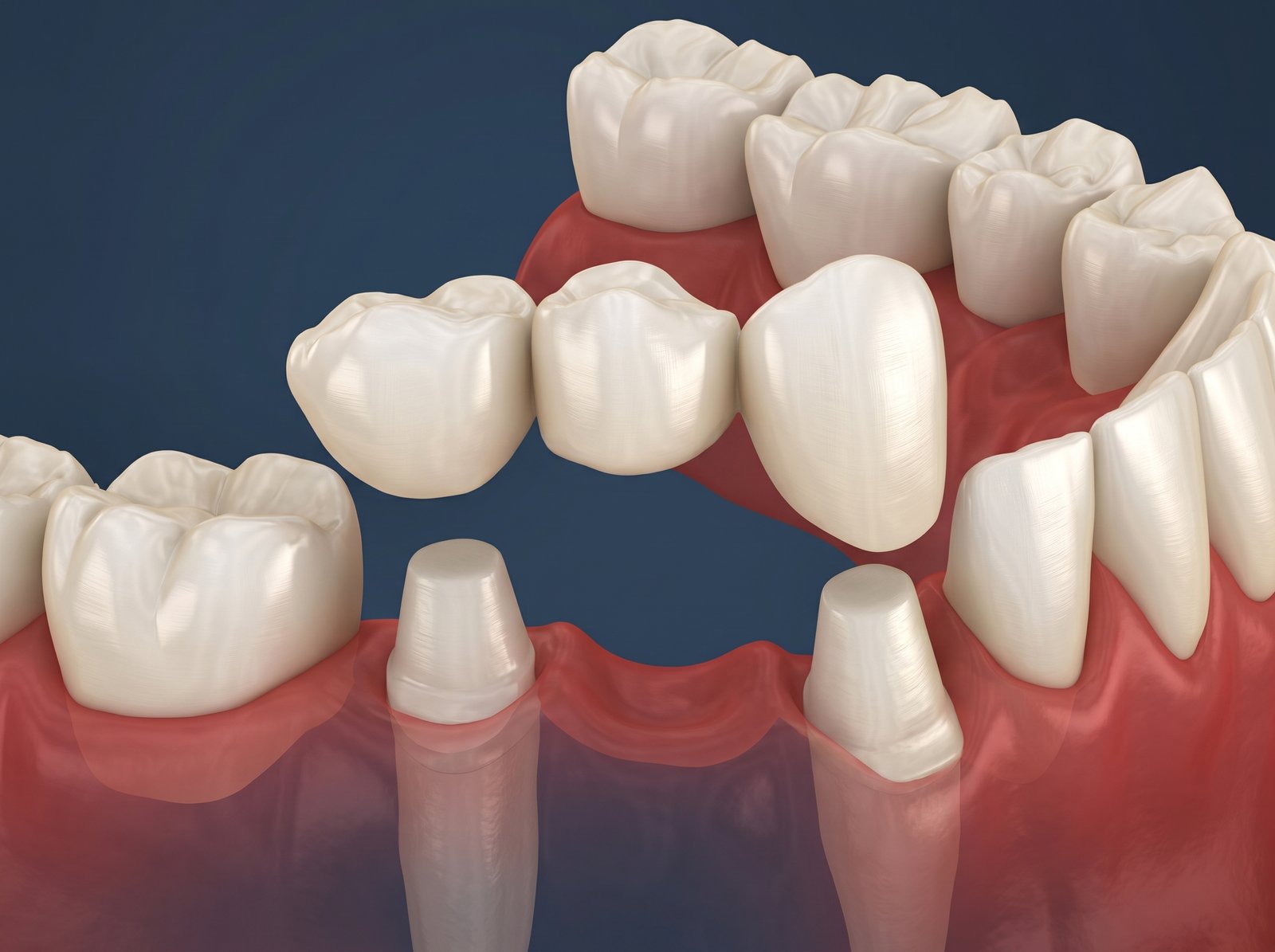
A dental bridge replaces one or more missing teeth with a connected restoration supported by natural teeth or implants.
Assessment therefore considers both the gap and the structures supporting the bridge. The aim is to restore function and a balanced appearance, taking more than the missing tooth into account.
Supports, materials and bridge fabrication
Choosing the material
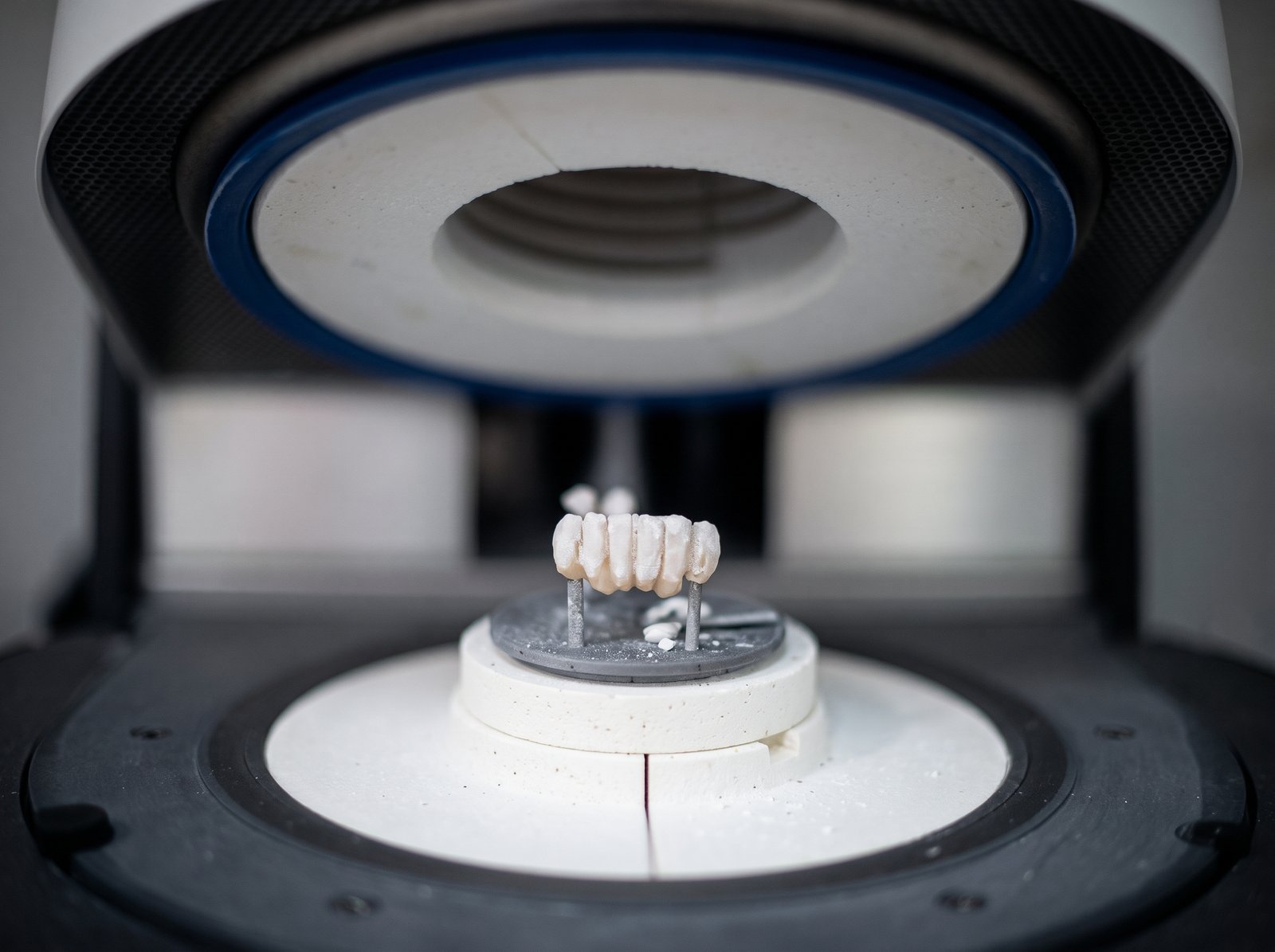
Bridges may be made from zirconia, including ceramic-layered zirconia, metal-ceramic or glass-ceramic, depending on the restoration.
The choice considers strength, appearance, position in the arch and supporting structures. Front and back bridges do not necessarily require the same material or fabrication method.
Main bridge types
TOOTH-SUPPORTED BRIDGE
The units replacing missing teeth are connected to crowns on supporting teeth, called abutment teeth. These must be suitable to support the bridge.
CANTILEVER BRIDGE
A cantilever bridge is supported from one side in selected situations. Suitability depends on the available support, location and chewing forces.
IMPLANT-SUPPORTED BRIDGE
Implants support the bridge instead of neighbouring teeth. Planning determines how many implants are needed, their position and the design of the replacement teeth.
Treatment stages
-
Assessment and
preparing the supportsThe dentist checks teeth, gums and the relationship between the arches. For a conventional bridge, abutment teeth are prepared for crowns after any necessary treatment.
Root canal treatment is performed only if indicated. For an implant-supported bridge, the implants are checked to confirm they are ready for the prosthetic stage.
-
Scanning
the dental archesAn intraoral scan records the prepared teeth and the relationship between the arches without traditional impression materials. The laboratory uses the digital model to design the bridge.
Photographs, clinical instructions and information collected before preparation help define shape and proportions, taking your expectations into account.
-
Temporary
bridgeA temporary bridge is fitted after natural teeth are prepared. It protects the prepared surfaces and maintains shape and function while the final bridge is made.
You receive advice on cleaning and foods to avoid, as temporary work needs different care from the final restoration. Any discomfort is assessed at follow-up appointments.
-
Verification before
the final restorationBefore the final restoration, a prototype allows shape, comfort, chewing and speech to be checked as part of the treatment plan.
Agreed adjustments guide fabrication of the final bridge. Before attaching it to the supports, your dentist checks its fit and contacts during chewing.
Adapting to and maintaining your bridge
-
Timing depends on the supports
Treatment duration depends on preliminary care, supports and prosthetic try-ins. If new implants are needed, healing and integration with the bone must also be allowed for. Before starting, you will know the planned appointments and expected duration of each stage.
-
The condition of teeth and supports
A conventional bridge requires suitable abutment teeth, prepared to receive the restoration. An implant-supported bridge does not use neighbouring teeth for support. Gum, tooth and bone health, together with chewing forces, guide the choice.
-
Cleaning beneath the bridge
Daily cleaning must also reach beneath the replacement teeth, where a toothbrush alone is insufficient. Your dentist shows you how to use suitable floss or interdental brushes, selecting tools for the bridge and its supports.
-
Longevity and ongoing check-ups
Longevity depends on materials, supports, chewing forces and maintenance. Check-ups and professional hygiene assess gums, contacts and stability. A loose or uncomfortable bridge should be checked without waiting for your scheduled visit.
From digital design to clinical checks
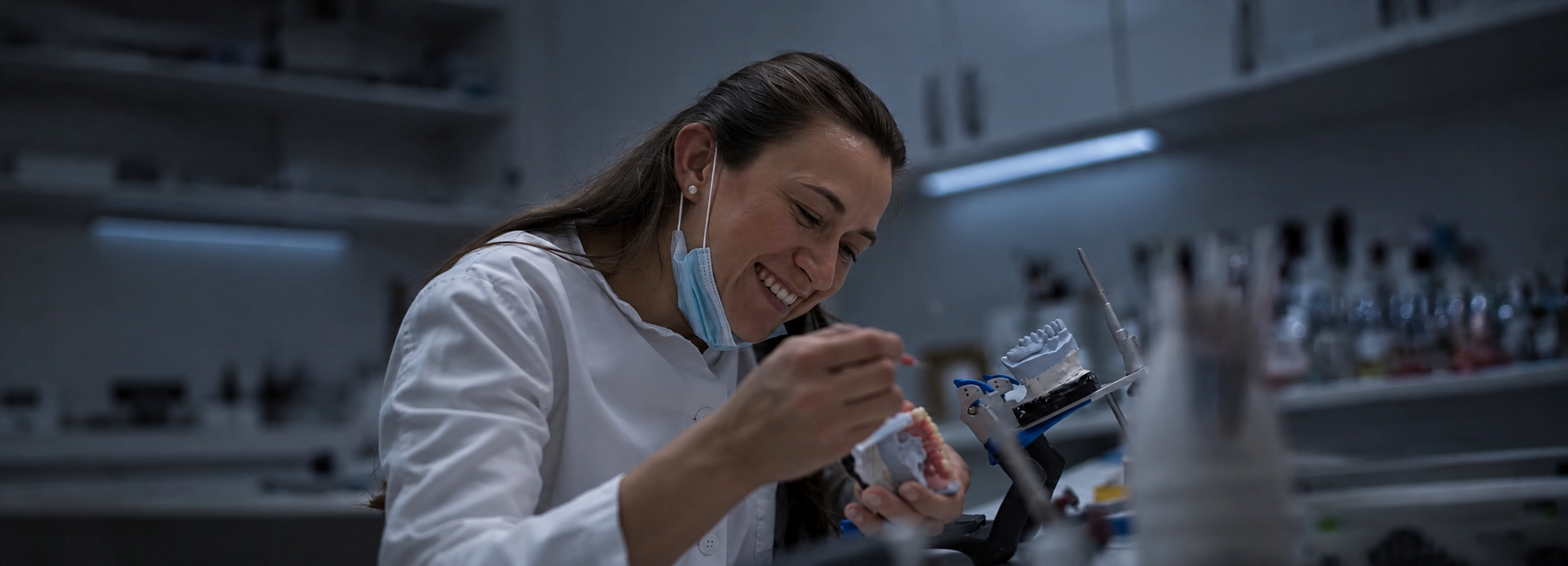
Our in-house dental laboratory works directly from your dentist’s instructions, scans, photographs and clinical findings. CAD/CAM design, material selection, production and checks are coordinated within the same clinic. During try-ins, we assess shape, tooth contacts and shade, and agree any adjustments with you. Where possible, changes are made during your visit. This close coordination helps align laboratory production with your appointments.

Frequently asked questions
What is the difference between a dental bridge and an implant?
A bridge replaces one or more missing teeth with linked units attached to stable supports. In a conventional bridge, the supports are natural teeth; in an implant-supported bridge, implants provide the support. An implant replaces a root and can support a crown or, together with other implants, a bridge. The choice depends on the remaining teeth, available bone, bite and overall restorative plan.
Do neighbouring teeth need preparation for a bridge?
For a conventional bridge, yes. Teeth selected as supports are prepared for crowns that carry the other bridge units. Your dentist first checks their health, strength and position. An implant-supported bridge rests on implants, so neighbouring teeth are not used as supports, but this option needs implant assessment. Gums, available bone, chewing forces and gap size are considered.
Do bridge-supporting teeth need root canal treatment?
No. Preparing a tooth for a bridge does not automatically require root canal treatment. This is performed only when its condition requires it. Before treatment, we assess teeth, gums, previous procedures and bite. If a support tooth is healthy and can be prepared while retaining a healthy pulp, its canals are not treated simply because it will support a bridge.
Will I have a temporary bridge while the final one is made?
Yes. When natural teeth are prepared, a temporary bridge protects them and maintains shape and function during fabrication. It needs particular care with cleaning and diet because its properties differ from the final bridge. Before the final restoration, we always make a prototype to assess comfort, chewing, speech and shape. Adjustments are agreed before final production and fitting.
How long does a bridge last, and how should I care for it?
A bridge may last many years, but longevity varies. Materials, supporting structures, chewing forces and maintenance affect stability. Daily cleaning must include beneath the bridge, where a toothbrush alone may be insufficient. Special floss or interdental brushes are selected for its design. Check-ups and professional cleaning assess gums, contacts and bridge stability.
Complete the form to book your free consultation with the Smile team.
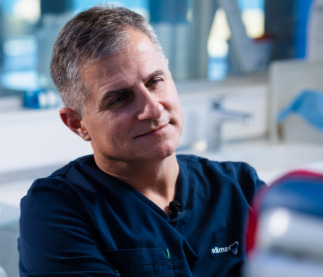
Darko Slovša and the Smile team
Specialist expertise, coordinated care.
Dr Darko Slovša, Dr. Sc., M.Sc., DDS, is a specialist in implantology and oral surgery. The Smile team brings together surgeons, dentists, dental technicians and assistants who work together throughout your treatment.