Dental bone
grafting and
sinus lifts
Rebuilding the bone support needed for implants, with procedures planned around your anatomy and future restoration.
When there is not enough bone
After a tooth is lost, the bone remodels and may decrease in height and thickness. This resorption can make implant placement more complex. A bone graft may be used to increase the available volume in the upper or lower jaw. The material is placed in the deficient area to support the formation and preservation of bone tissue.
A sinus lift increases bone height in the back of the upper jaw, beneath the maxillary sinus, when there is not enough bone for the planned implants.
Regeneration around natural teeth
Bone loss can also affect teeth that are still present, for example as a result of periodontitis. In certain bone defects, regenerative surgery may help restore some of the lost support, with the aim of preserving the natural tooth.
Before considering this procedure, inflammation must be brought under control and the tooth assessed to determine whether it can be retained. Regeneration therefore concerns the tooth’s supporting structures and differs from rebuilding bone in an area intended for implants.
From diagnosis to bone reconstruction
Materials used in bone grafting
-
AUTOGENOUS BONE
Bone taken from your own body can be used as small particles or as a block. This involves a second surgical site. We assess the donor area, the amount of bone available and the shape of the defect before recommending this option.
-
BONE SUBSTITUTES AND BIOMATERIALS
Bone substitutes of synthetic or animal origin provide a scaffold for new bone to form. They may be used alone or combined with your own bone. How quickly they resorb and how well they maintain volume depend on the material.
-
PROTECTIVE MEMBRANES
Membranes used in guided bone regeneration separate the graft from the gum tissue and protect the space needed for new bone to form. They are used alongside the graft when the technique requires them.
-
AUTOLOGOUS PLATELET PREPARATIONS
PRP and PRF are derived from the patient’s blood: PRP is platelet-rich plasma, while PRF contains a fibrin matrix. They may complement specific protocols, but do not replace a graft or guarantee faster healing.
Sinus lifts: techniques and timing
-
THE SINUS LIFT PROCEDURE
The maxillary sinus is an air-filled cavity above the upper back teeth. A sinus lift raises its lining to create space for the graft. The material is placed beneath this membrane, rather than throughout the cavity.
-
TIMING OF
IMPLANT PLACEMENTImplants can be placed at the same time as the graft when the remaining bone provides adequate initial stability. If support is insufficient, the bone is rebuilt first. Implant placement follows once the graft has matured and the necessary checks have been completed.
-
LATERAL APPROACH
The surgeon accesses the sinus through a small opening in the side of the bone and lifts the membrane. Graft material is placed in the space created. This approach is considered when a greater increase in bone height is needed.
-
CRESTAL APPROACH
The surgeon reaches the sinus floor through the site prepared for the implant and gently raises the membrane. This approach is considered for smaller increases in height, when the remaining bone can provide adequate initial implant support.
The stages of dental bone grafting
-
Anaesthesia and
access to the boneLocal anaesthesia controls pain during the procedure. The surgeon accesses the site through the gum and prepares the area to be rebuilt.
-
Placement and
stabilisationThe material is distributed to match the shape of the defect. If an autogenous bone block is used, it requires appropriate fixation to keep it stable during healing.
-
Protecting the
graft siteIn guided bone regeneration, a membrane separates the graft from the gum tissue. This helps protect the space in which new bone needs to form.
-
Closure and follow-up
The gum is repositioned and sutured. At follow-up appointments, we check how the surgical site is healing and how the graft is progressing before moving to the next stage.
Assessment before surgery
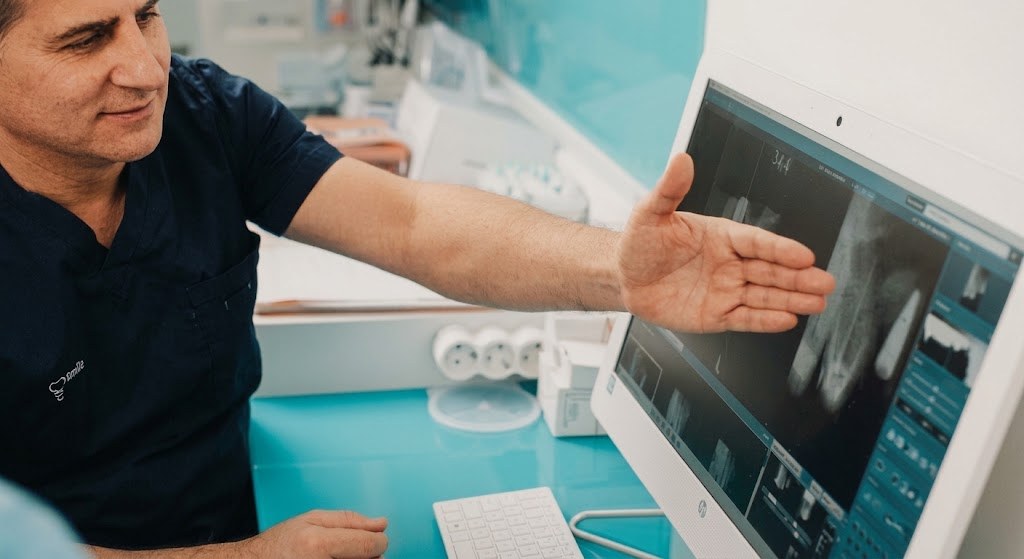
During your consultation, we examine your teeth, gums and any existing dental work.
Please tell us about any medical conditions, medication, smoking habits or sinus problems.
A panoramic X-ray provides an initial overview. A 3D CT scan allows us to assess the height, thickness and shape of the bone, together with nearby anatomical structures.
Before a sinus lift, we also assess the sinus membrane and check for inflammation. The treatment plan identifies the area to be rebuilt and the appropriate timing for implant placement.
Initial recovery and bone maturation
-
Two different healing timelines
The gums heal before the graft matures. You may feel better within the first few weeks, while the bone continues to develop over the following months. Maturation may take approximately three to nine months, and sometimes longer. Timing depends on the extent of reconstruction, the material used and your individual response.
-
Care after surgery
You will receive instructions on medication, diet and oral hygiene. Avoid chewing pressure on the surgical site and keep your mouth clean as instructed. After a sinus lift, do not blow your nose for the period specified by your surgeon. Smoking impairs healing. Follow the team’s advice on when to resume strenuous activity.
-
Possible complications
A graft may become infected, lose some of its material or produce insufficient new bone. A sinus lift can also involve perforation of the sinus membrane. Management depends on the extent of the problem and may require a change to the procedure, further treatment or postponement of the next stages.
-
Follow-up and symptoms to report
Follow-up assessments help us determine when you are ready for implants or the next stage of rehabilitation. Timing varies from person to person. Contact the clinic if you develop increasing pain or swelling, fever or persistent bleeding, rather than waiting for your next appointment.
Treating bone loss at Smile
We plan bone reconstruction around the implants and the restoration they will support. Depending on the case, this may involve your own bone, biomaterials and a sequence of procedures. We also use piezosurgery, which works with ultrasonic vibrations, to help the surgeon harvest and prepare bone as required by the treatment plan.
We consider the technique, materials, surgical approach and timing together, making bone reconstruction part of the overall rehabilitation plan.

Frequently asked questions
Are bone grafting and a sinus lift the same procedure?
No. Bone grafting increases the available volume in the upper or lower jaw, while a sinus lift addresses the back of the upper jaw. During a sinus lift, the surgeon raises the sinus membrane and places graft material in the space beneath it. The choice depends on the location of the deficiency, your anatomy, the available bone height and the planned implant positions.
Can implants be placed during the same appointment?
Yes, when the remaining bone provides adequate initial stability and the planned reconstruction allows it. If support is insufficient, we rebuild the bone first. The implant is placed after graft maturation and the necessary checks. Timing depends on examination, imaging, anatomy and the future restorative plan.
How long does it take to complete treatment?
Gums and bone heal at different rates. The gums may heal within the first few weeks, while the graft matures over several months, usually around three to nine months and sometimes longer. Timing depends on the extent of reconstruction, the material used and your healing response. At follow-up visits, we assess when you are ready for implants or the next stage of treatment.
Is dental bone grafting painful?
Local anaesthesia controls pain during the procedure. Afterwards, discomfort and swelling vary with the extent of reconstruction and your individual response. You will receive instructions on medication, diet, oral hygiene and care of the surgical site. Contact the clinic if pain or swelling increases, or if you develop fever or persistent bleeding, rather than waiting for your next appointment.
Can I have a sinus lift if I have sinusitis?
Sinusitis does not automatically rule out a sinus lift, but it needs to be assessed before treatment is planned. Tell us about recurrent episodes, symptoms and previous sinus treatment. A 3D CT scan helps assess the anatomy, and we check the sinus membrane and any inflammation before surgery. If necessary, we adjust the plan or postpone treatment.
Complete the form to book your free consultation with the Smile team.
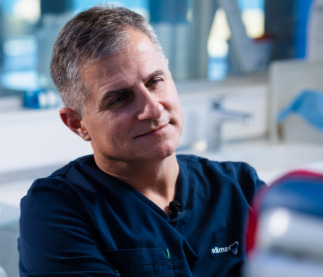
Darko Slovša and the Smile team
Specialist expertise, coordinated care.
Dr Darko Slovša, Dr. Sc., M.Sc., DDS, is a specialist in implantology and oral surgery. The Smile team brings together surgeons, dentists, dental technicians and assistants who work together throughout your treatment.