
Subperiosteal No Bone implants
for severe bone loss
€12,329
NO BONE WITH AN ACRYLIC RESTORATION
€7,997
Emir Hadžihafizbegović
Limited bone calls for a
different implant approach
No Bone makes fixed teeth possible even when there is insufficient bone for conventional implants.
-
An alternative to
bone
regenerationIn suitable cases, it avoids bone harvesting and complex grafts, reducing the surgical stages and healing time associated with bone reconstruction.
-
Designed around
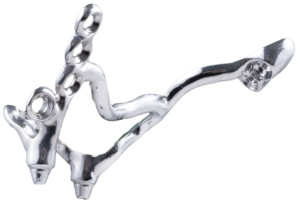
your anatomyEach framework is digitally designed from your 3D CT scan to fit the available bone and provide stable support for fixed teeth.
-
Certified titanium,
lifetime warrantyThe framework is made from medical-grade titanium certified to EU standards and carries a lifetime warranty.
An alternative when there is insufficient
bone for conventional implants
-
Conventional implants
These are placed within the bone and require adequate volume and density. Severe bone deficiency may require prior reconstruction, adding surgical stages and healing time before a fixed restoration can be fitted.
-
No Bone implants
A personalised titanium subperiosteal framework is designed from 3D CT scans and secured to the available bone. It avoids prior complex bone reconstruction, reducing the surgical stages before a fixed restoration.
Complete the form to book your consultation with the Smile team.
No Bone treatment in 3 stages
-
3D assessment and
personalised designAt your first consultation, we gather the necessary clinical information. Using 3D CT and digital scans, we assess the available bone and design a biocompatible titanium implant framework to fit the shape of your jaw. The future fixed restoration is considered from the outset.
-
Custom framework
and surgeryThe digital design is used to create a custom titanium framework, which is secured onto the bone and covered by the gums. This avoids placing conventional implants where bone is insufficient and, in suitable cases, can reduce the surgical stages compared with complex bone reconstruction before implant placement.
-
Temporary, prototype
and final restorationWithin 24 hours of surgery, we fit a fixed temporary restoration to wear during healing, with regular clinical reviews. Once healing is complete, we make a prototype to assess comfort, chewing, speech and appearance. After your approval, we produce the final fixed restoration in acrylic or zirconia-ceramic.
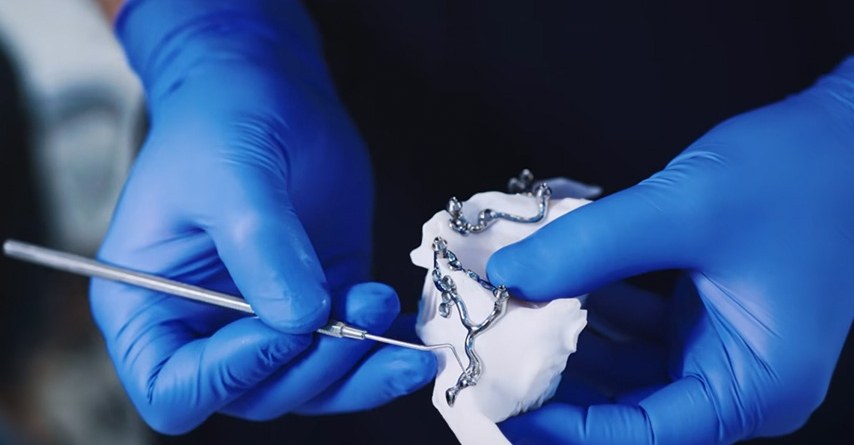
No Bone implants,
explained by Dr Slovša
A personalised implant solution for severe bone deficiency.

Anxious about dental treatment?
Sedation tailored to the procedure
The choice of sedation depends on the type, duration and complexity of treatment. We use intravenous or inhalation sedation, taking your medical history and level of anxiety into account.
For more extensive procedures, intravenous sedation is always administered with support and monitoring from a specialist anaesthetist. Local anaesthesia controls pain in the area being treated.
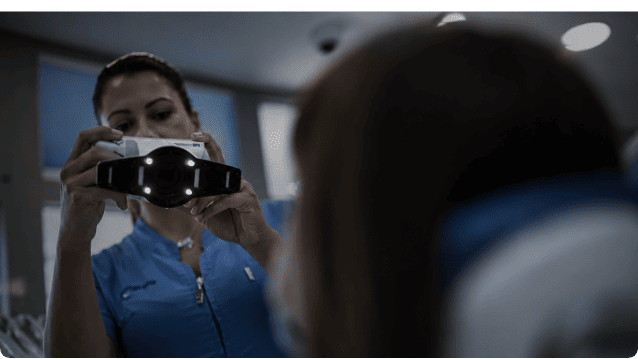
Digital Smile Design:
see your planned smile
Preview the proposed appearance of your smile before treatment begins.
Using artificial intelligence, we combine photographs, intraoral scans and facial data to develop a design that complements your features, lips and expression. The Smile team reviews the proposal with you.
An in-mouth mock-up follows, allowing you to assess the shape, proportions and overall appearance of your smile and discuss adjustments before approving the design.
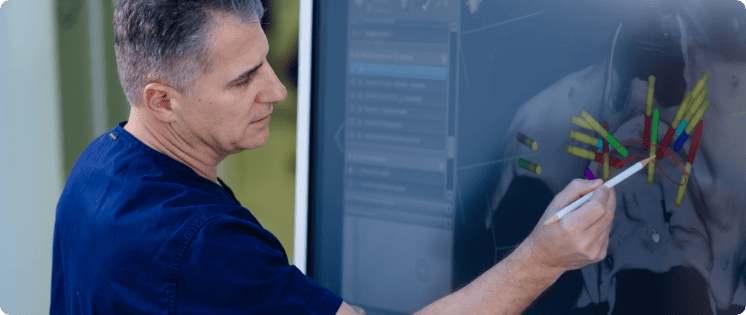
From 3D diagnostics
to surgical planning
Before treatment, we use a digital model of your anatomy to plan the procedure around your clinical needs.
Planmeca 3D CT and 3Shape TRIOS scans provide the anatomical data used for diagnosis and computer-guided implant planning.
PLANMECA 3D CT:
ASSESSING YOUR ANATOMY
3D CT, also known as CBCT, shows the bone, roots, nerve canals and maxillary sinuses in three dimensions. This allows us to assess the available space and identify the structures that need to be protected.
Planmeca's low-dose protocols adjust X-ray exposure to the scan area and the diagnostic information needed. For some scans, Ultra Low Dose mode may deliver a lower dose than a standard panoramic X-ray.
3SHAPE TRIOS:
THE DIGITAL IMPRESSION
The intraoral scanner records your teeth, gums and bite to create a three-dimensional model of your dental arches. It replaces traditional impression materials and allows us to check the scan quality straight away.
For you, this means a more comfortable way to take impressions. For the surgeon, it provides a digital model for treatment planning.
GUIDED IMPLANT DENTISTRY:
PLANNING BEFORE SURGERY
By combining 3D CT and intraoral scans, the surgeon plans implant position, angle and depth, taking the future fixed restoration into account from the outset.
The digital model helps the surgeon assess the available space and plan the procedure around your anatomy and the intended restoration.
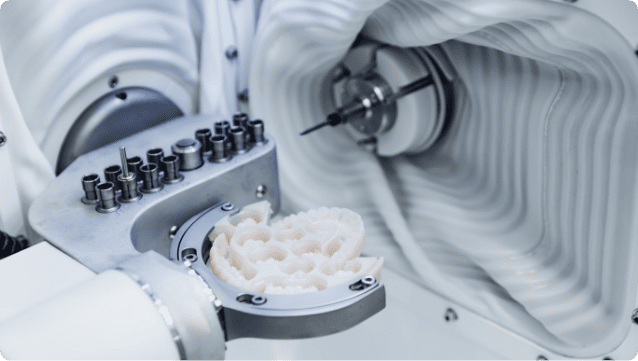
Your restoration,
made in our own laboratory
Design, materials, production and checks are managed within the same clinic.
Our in-house CAD/CAM laboratory brings the clinical team and dental technicians together. We check shape, tooth contacts, shade and comfort on site, discussing adjustments with you as the work progresses. The team oversees materials and production at every stage: the temporary restoration, verification prototype and final restoration. Working together also helps us coordinate try-ins, appointments and production times.

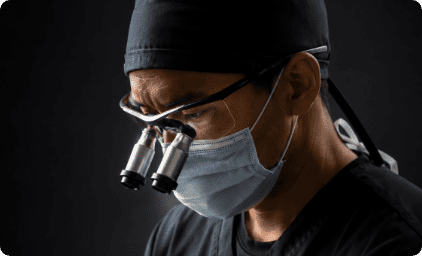
Clear prices and a lifetime implant warranty
Before you begin, you will understand the proposed treatment, its stages, the number of appointments, the expected duration and the total cost.
After your consultation, you will receive a personalised treatment plan and quotation. We explain each item before treatment begins.
Straumann Group implants carry a lifetime manufacturer’s warranty. We explain its conditions, the required follow-up visits and the separate cover for prosthetic components.
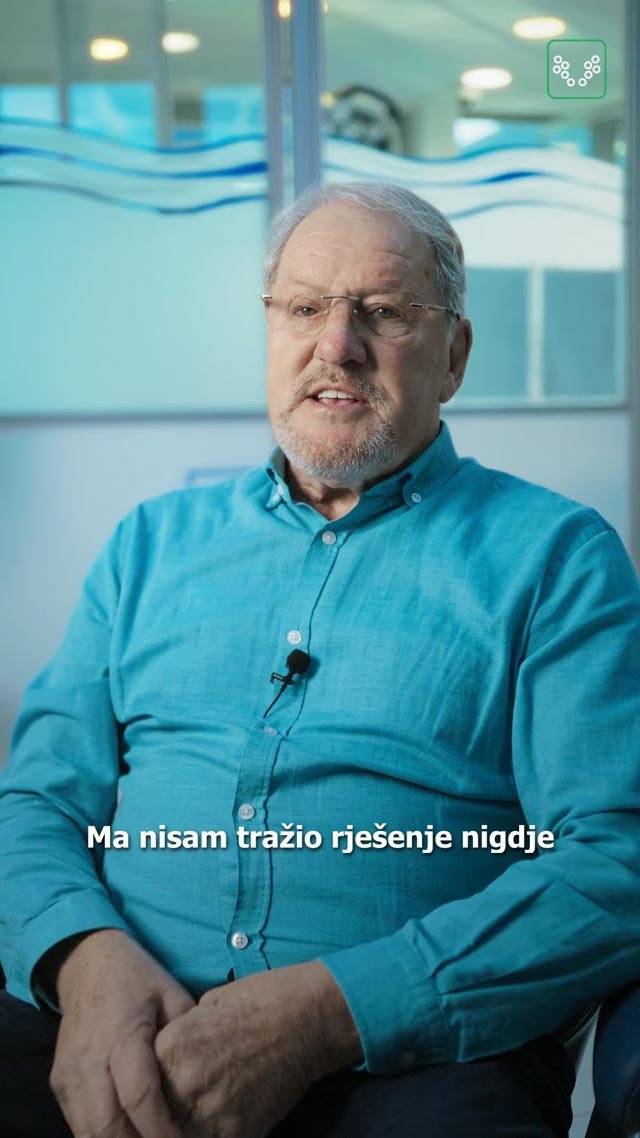
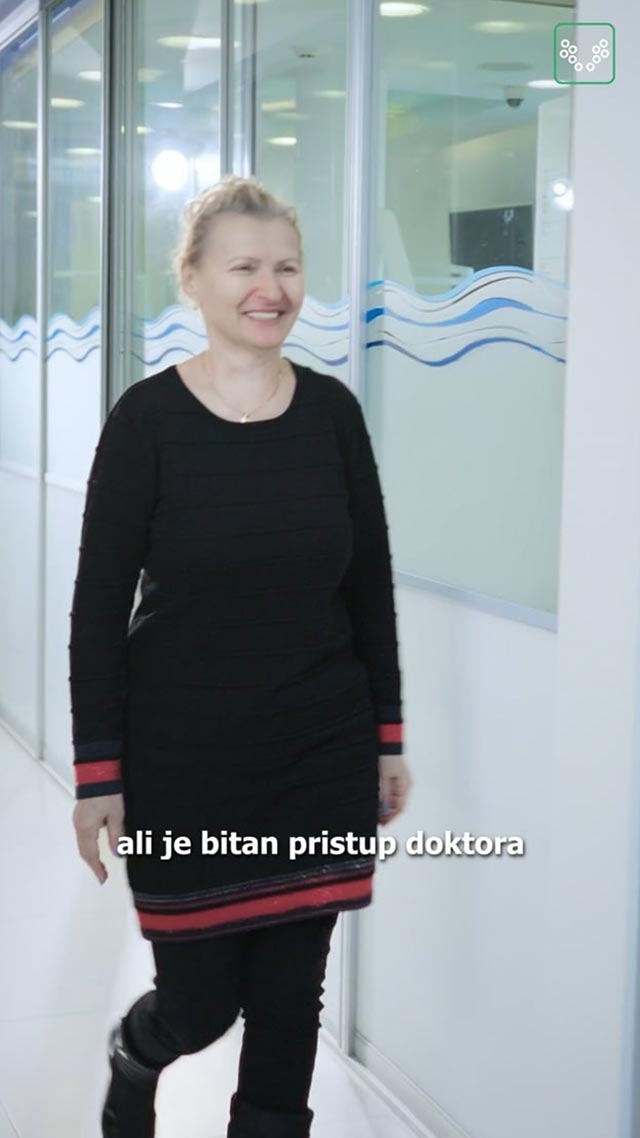
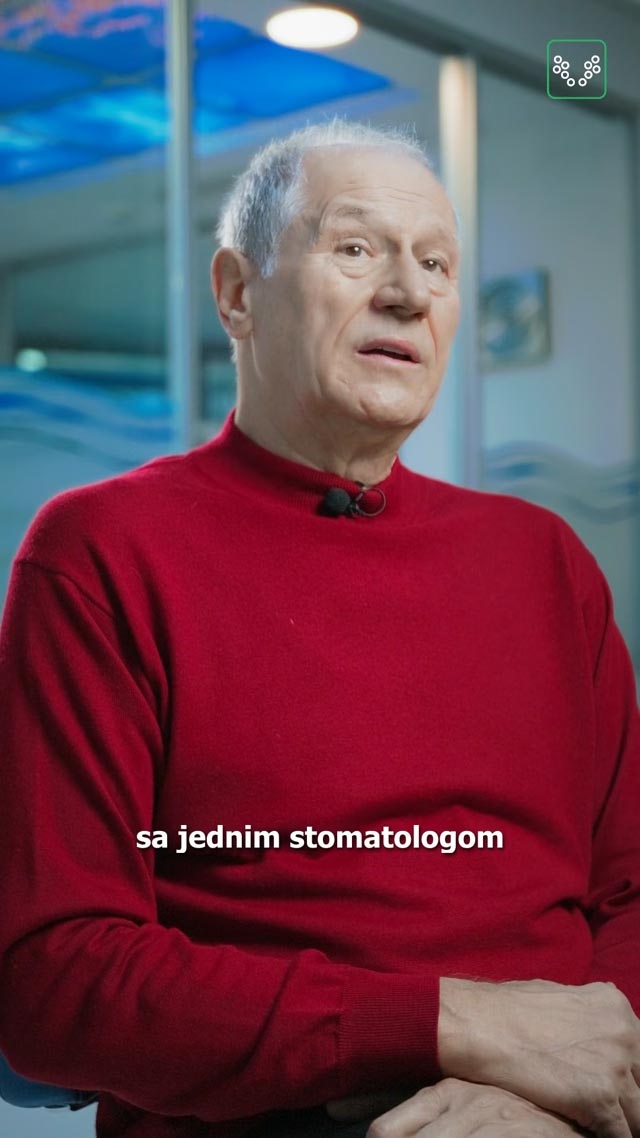
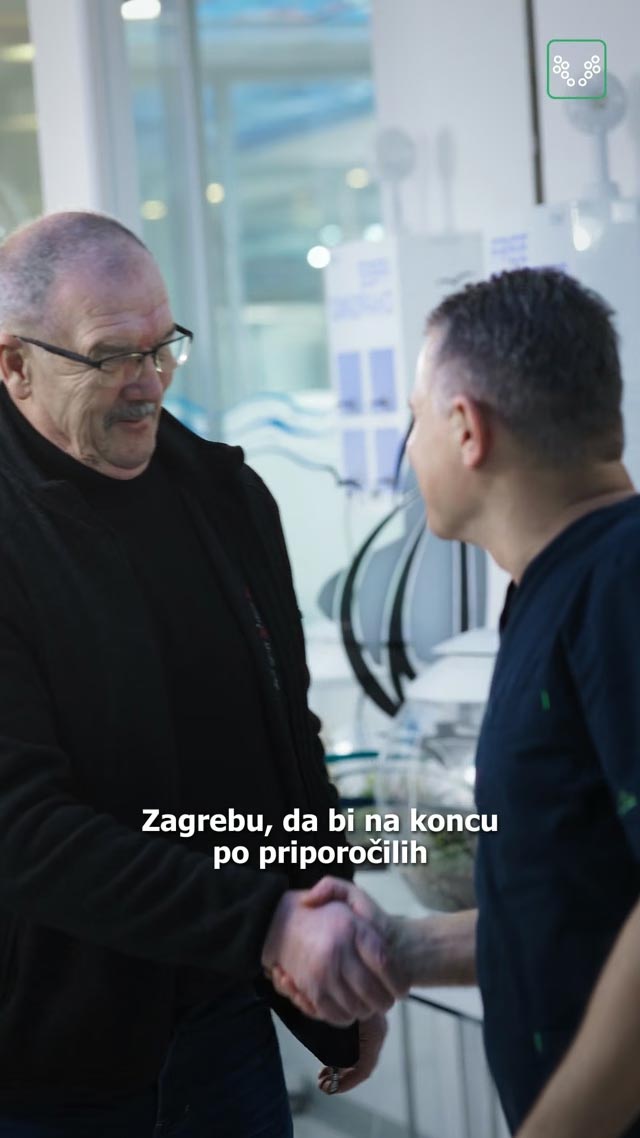
Hear their stories.
See their smiles.

Frequently asked questions
Can I have fixed teeth with very little bone?
Yes. Severe bone loss does not automatically rule out fixed teeth. No Bone is designed for situations where available bone cannot support conventional implants without complex reconstruction. 3D CT and digital scans assess the bone, anatomy and future restoration. Only after this analysis can the surgeon determine whether No Bone is appropriate for you.
How does No Bone differ from conventional implants?
No Bone uses a custom titanium framework designed from your 3D CT scan. Conventional implants are placed within bone; the No Bone framework is secured onto the available bone and covered by the gums. This is called a subperiosteal position. The future fixed restoration is considered from the start, allowing the framework to support fixed teeth even when bone is insufficient for conventional implants.
Does No Bone always avoid bone grafting?
No Bone may avoid prior complex bone reconstruction when the framework is clinically indicated. This does not mean every regenerative procedure can be avoided in every case. The decision depends on anatomy, available bone, remaining teeth and the restorative plan. After analysing your 3D CT scan, the surgeon compares options and determines whether No Bone or other procedures are appropriate.
When will I receive temporary and final fixed teeth?
A fixed temporary restoration is fitted within 24 hours of surgery for the healing and follow-up period. We then make a prototype to assess comfort, chewing, speech and appearance. After approval, the final fixed restoration is made in acrylic or zirconia-ceramic according to your plan. Overall duration depends on healing and clinical checks and therefore varies between patients.
Is No Bone surgery painful? Can I request sedation?
Local anaesthesia controls pain during the procedure. If anxiety or fear makes treatment difficult, sedation may also be considered. Smile uses inhalation or intravenous sedation according to procedure duration and complexity, medical history and anxiety level. For extensive procedures, intravenous sedation involves a specialist anaesthetist’s assistance and monitoring. Suitability is assessed beforehand.
Complete the form to book your consultation with the Smile team.
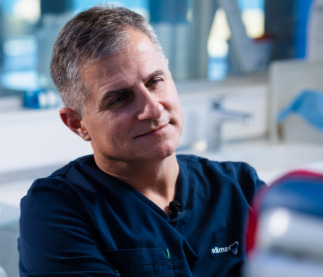
Darko Slovša and the Smile team
Specialist expertise, coordinated care.
Dr Darko Slovša, Dr. Sc., M.Sc., DDS, is a specialist in implantology and oral surgery. The Smile team brings together surgeons, dentists, dental technicians and assistants who work together throughout your treatment.