Laser
gingivectomy
and gum contouring
Targeted removal of excess gum tissue to make cleaning easier and improve smile proportions while protecting gum health.
Excess gum tissue
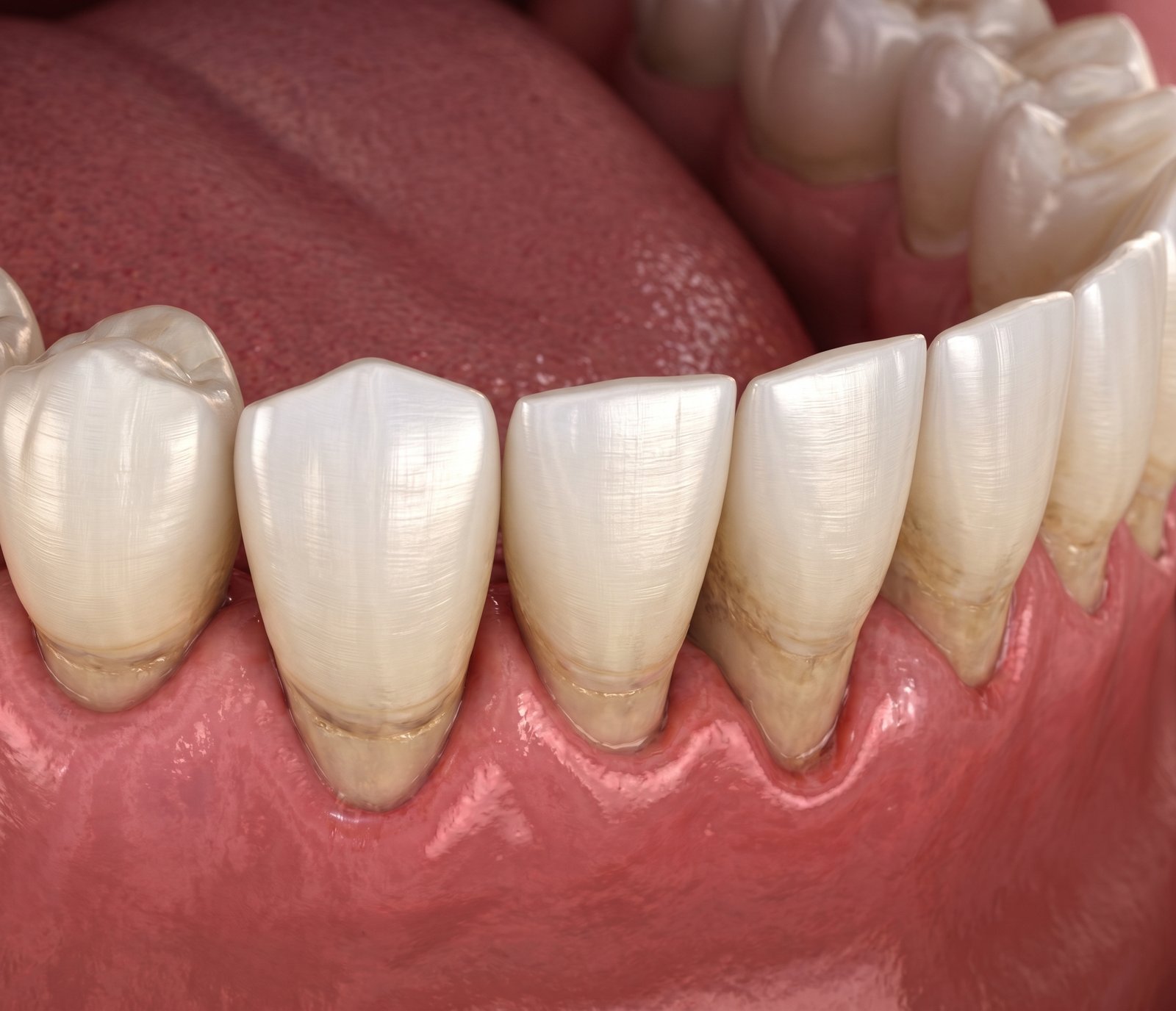
A gingivectomy removes a portion of gum tissue. It is considered when excess gum makes cleaning difficult or covers too much of the tooth surface.
Treatment may involve one tooth or several. Before proceeding, tissue overgrowth must be distinguished from swelling caused by inflammation.
Gum health and smile proportions
Excess gum tissue can make teeth look short or create an uneven gum line. Contouring aims to restore balanced proportions while preserving healthy tissue.
Before fitting a crown, more tooth surface may need to be exposed. Clinical crown lengthening can also involve bone and is not always limited to gingivectomy.
How a gingivectomy is performed
-
Assessment
and planningThe dentist examines the amount and thickness of gum tissue, the underlying bone and any periodontal pockets — deeper spaces around the teeth. Your general health and current medication are also considered.
Plaque, tartar and inflammation must be controlled before surgery. Assessment defines which tissue to remove and which to preserve.
-
Anaesthesia
and preparationLocal anaesthesia controls pain in the area. Before starting, the surgeon checks that the anaesthetic is effective and confirms the extent of the planned correction.
Treatment may involve a small area or several teeth. Its extent determines the length of the appointment and whether more than one visit is needed.
-
Removal and
contouringThe surgeon removes the planned gum tissue using a laser or surgical instruments. The margin is then shaped according to the tooth and neighbouring tissues.
The procedure reshapes gum tissue, not tooth enamel. The aim is a gum line that meets the agreed treatment goals while protecting tissue health.
-
Protection and
initial reviewAfter contouring, bleeding is checked and the need for a protective dressing assessed. Care of the area depends on the technique and extent of treatment.
Before going home, you receive instructions on hygiene, diet and prescribed medication. A follow-up appointment is also arranged to assess gum healing.
Healing and maintenance after gingivectomy
-
Recovery and tissue healing
Once the anaesthetic wears off, discomfort, sensitivity and mild swelling may occur. These usually decrease over the following days, depending on the extent of treatment.
Early improvement does not mean the gum margin has fully stabilised. Follow-up appointments assess healing before any final restorations are fitted.
-
Eating and daily oral hygiene
Choose soft foods during the first few days and avoid irritating the treated area. The surgeon will explain when to resume normal chewing and brushing at the surgical site.
Continue cleaning the rest of your mouth. Do not remove any dressings yourself, and use mouthwash only as instructed.
-
Limitations and symptoms to report
Gingivectomy does not rebuild lost bone or resolve every gum condition. Bleeding, sensitivity or changes in the gum margin may occur after treatment and need monitoring.
Contact the clinic if you have persistent bleeding, fever, discharge or increasing pain. Do not wait for your scheduled review to report these symptoms.
-
Maintaining the result
Long-term stability also depends on managing the causes of gum overgrowth. Inadequate hygiene, certain medicines or health conditions may encourage excess tissue to develop again.
Daily cleaning and regular professional check-ups help maintain the result. Any changes to medication must be agreed with your doctor.
Gingivectomy at Smile
-
-
Fotona laser
for gum tissueSmile uses the Fotona laser for most gingivectomies. It allows the planned tissue to be removed and the gum margin refined.
The surgeon selects the technique and anaesthesia according to the area and treatment objective. Postoperative precautions and reviews remain necessary when a laser is used.
-
Gum care
and smile designAt Smile, gum contouring is considered alongside dental health and functional and cosmetic objectives. Treatment must preserve the tissue needed to protect the tooth.
When crowns or bridges are planned, gum treatment and the subsequent restoration are coordinated around the necessary healing time.

Frequently asked questions
Do bleeding gums need surgery?
Not necessarily. Bleeding gums require assessment, but do not automatically mean surgery is needed. Before a gingivectomy, plaque, tartar and inflammation must be controlled, and pockets and supporting tissue health assessed. Surgery is considered when there is genuinely excess gum tissue to remove or reshape. The decision depends on the cause and tissue condition, rather than bleeding alone.
What is the difference between gingivectomy and gingivoplasty?
Gingivectomy removes part of the gum tissue, while gingivoplasty reshapes and smooths its profile. They can be combined but are not identical. Assessment considers gum quantity and thickness, margin position, underlying bone and the clinical objective. The surgeon determines what to remove and what to preserve to achieve a profile compatible with tissue health and the planned result.
Is gingivectomy painful?
Local anaesthesia controls pain during gingivectomy. Afterwards, discomfort, sensitivity and mild swelling may occur, varying with treatment extent. Before leaving, you receive hygiene, dietary and medication instructions. Contact the clinic without waiting for your scheduled review if pain increases or persistent bleeding, fever or discharge develops, so healing can be assessed promptly.
How long is recovery after gingivectomy?
Recovery depends on the area treated and technique. Discomfort, sensitivity and mild swelling may occur and usually lessen over the following days. Gum-margin stabilisation takes longer than initial symptom relief. Your surgeon explains when normal chewing and brushing at the site can resume. Reviews assess healing and tissue condition before any restoration or further care.
Is gingivectomy suitable for receding gums?
No. Gingivectomy removes excess gum and does not cover exposed roots. Gum recession requires assessment of its cause, extent, available tissue and tooth support. Gingivectomy also does not replace lost bone or address every gum condition. Recession therefore needs a different assessment before treatment and any alternative procedure are selected.
Complete the form to book your free consultation with the Smile team.
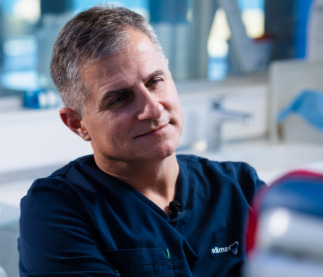
Darko Slovša and the Smile team
Specialist expertise, coordinated care.
Dr Darko Slovša, Dr. Sc., M.Sc., DDS, is a specialist in implantology and oral surgery. The Smile team brings together surgeons, dentists, dental technicians and assistants who work together throughout your treatment.