Enamel erosion: how can summer habits silently damage your teeth?
Longer days, warmer weather and different routines change how we eat and drink in summer. Refreshing drinks and seasonal fruit are part of the pleasure, but frequent exposure to acids can affect our teeth.
Many people do not notice a process happening silently and painlessly until it has advanced: enamel erosion. Summer can be a challenging time for teeth because dietary choices expose enamel repeatedly to acids. This guide explains enamel erosion, why summer habits can encourage it and how to protect your smile while enjoying the season.
What is enamel erosion?
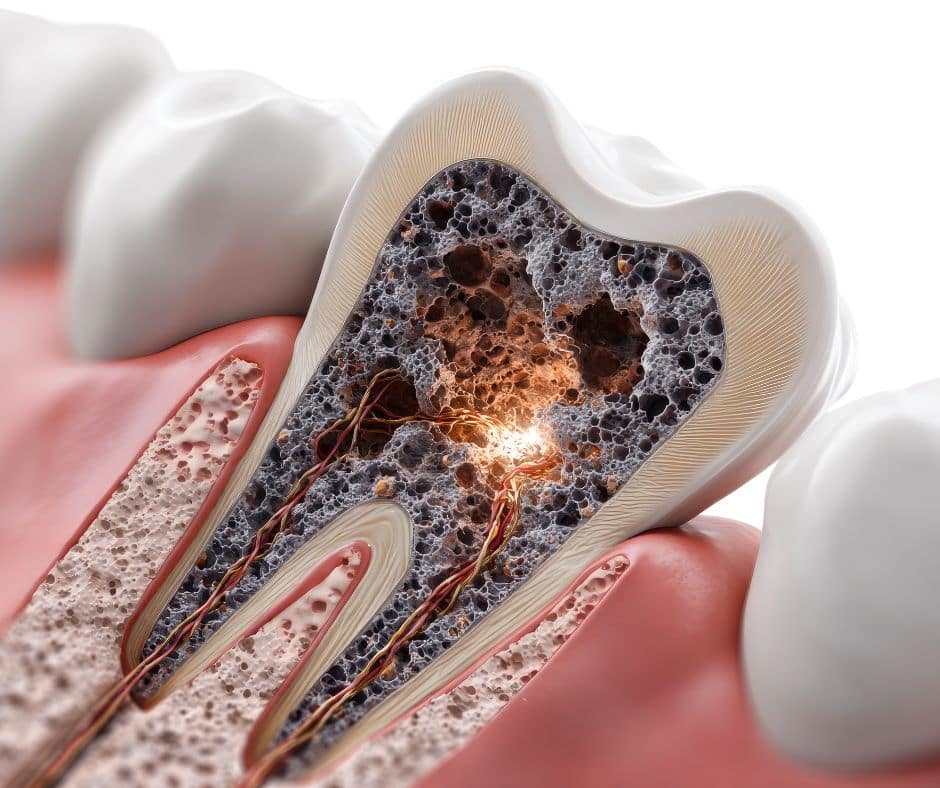
Enamel is the hardest tissue in the human body: a mineralised shield covering the tooth and protecting the more sensitive dentine and pulp from external substances, bacteria and temperature changes. Strong as it is, enamel is not indestructible. Enamel does not regenerate itself. Once worn away, it cannot spontaneously grow back.
Enamel erosion is the gradual chemical dissolution of tooth surfaces by acids. Unlike decay, which results from acids produced by bacteria acting on food residues, erosion involves direct contact with acidic substances.
Why is it a silent process?
Early enamel erosion causes no pain. As enamel thins gradually, changes may not be obvious. Symptoms usually appear when the protective layer becomes thin enough to expose dentine. Dentine contains microscopic tubules connected to the pulp; exposure produces sensitivity to cold, heat, sweetness or acidity, suggesting that erosion has progressed. Its quiet development makes erosion easy to overlook.
Summer challenges for your smile
At the height of summer, we naturally seek refreshment. Many popular summer foods and drinks have a low pH, meaning they are acidic and may damage enamel.
1. Iced tea and flavoured water
These popular drinks can be more acidic than expected. Many commercial iced teas contain citric or ascorbic acid for flavour. Sipping them over several hours keeps teeth repeatedly exposed to a low oral pH. Exposure time matters: the longer you sip, the greater the potential harm.
2. Citrus fruit and “detox” water
Lemon, lime and grapefruit can form part of a healthy diet, but their acidity can damage enamel. Drinking lemon-infused water throughout the day exposes teeth to acid for hours and limits the opportunity for saliva to remineralise them. Frequent citrus exposure reduces the recovery time between acid attacks.
3. Fizzy drinks and energy drinks
Fizzy drinks contain carbonic acid, and many also contain phosphoric or citric acid. Even fruit-flavoured sparkling waters can have a pH below 5.5, the commonly cited threshold at which enamel begins losing minerals. Energy drinks can be particularly damaging because they are acidic and often high in sugar, combining erosion and decay risks.
4. Summer cocktails
Alcohol, which dries the mouth and reduces saliva’s protective role, combines with sugar and acidic mixers such as lime, orange or pineapple juice to favour erosion. Drinks sipped slowly throughout an afternoon by the sea or pool prolong exposure. Alcohol can also change saliva’s composition, making it less effective against acids.
Understanding the chemistry of enamel loss
Enamel is mainly hydroxyapatite, a crystalline form of calcium phosphate. When oral pH falls below 5.5, demineralisation begins: calcium and phosphate leave the enamel and enter the surrounding fluid.
Saliva provides a defence. It contains minerals such as calcium and fluoride and buffers acids. In summer, heavy sweating, insufficient water and frequent acidic foods and drinks can overwhelm this mechanism. When acid exceeds saliva’s neutralising capacity, enamel loses minerals and permanent damage can accumulate.
How can you recognise enamel erosion?
Because erosion can be difficult to notice, knowing the signs matters. If you notice any of the following, consider booking an examination at our clinic:
- Increased sensitivity: a sharp sensation when drinking cold water or eating ice cream.
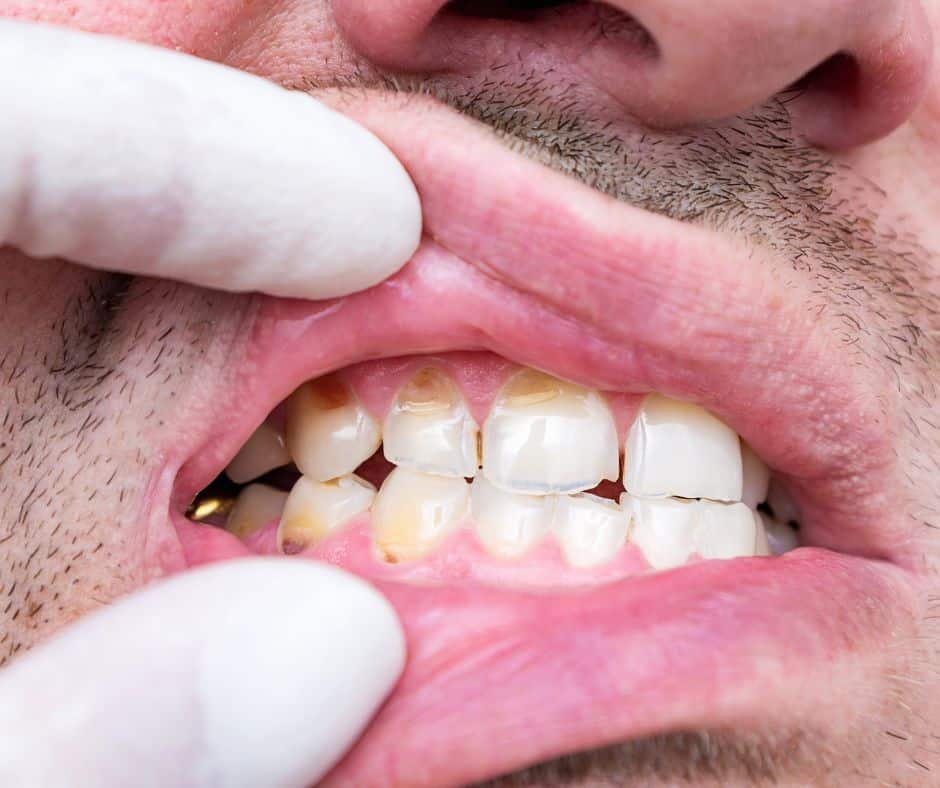
- Colour changes: as enamel thins, the yellowish dentine beneath becomes more visible. Teeth may look darker or yellower regardless of brushing. This can be an early visible sign of thinning enamel.
- Translucent edges: examine the tips of your front teeth in bright light. Glassy or transparent edges can indicate loss of mineralised tissue.
- Rounded teeth: eroding enamel loses its edges and characteristic texture, making teeth appear rounder or shorter.
- Small cracks: thinner enamel becomes more fragile and prone to small cracks at the edges, particularly under biting forces.
- Shallow hollows: in advanced stages, chemical dissolution may produce small depressions on chewing surfaces.
What happens after an acidic drink?
Saliva is an important ally, acting as a natural buffer to neutralise acids and restore oral pH. In summer, this protection can be compromised:
- Dehydration: high temperatures and fluid loss reduce saliva production, weakening the mouth’s ability to protect itself and clear acidic residues.
- Constant snacking and sipping: instead of limiting acid exposure to a meal, we renew it throughout the day. Saliva has little time to neutralise pH between sips, and a persistently acidic environment limits remineralisation.
- Abrasion after acid: brushing immediately after lemonade or another acidic drink can abrade temporarily softened enamel. Brushing at this point accelerates loss of the surface layer.
Protecting your teeth while enjoying summer
You do not need to give up every summer pleasure. Adjusting how you consume acidic foods and drinks can help protect your teeth:
1. Use a straw
When drinking acidic or fizzy drinks, a straw directs liquid towards the back of the mouth and reduces direct contact with the front tooth surfaces.
2. Rinse with water afterwards
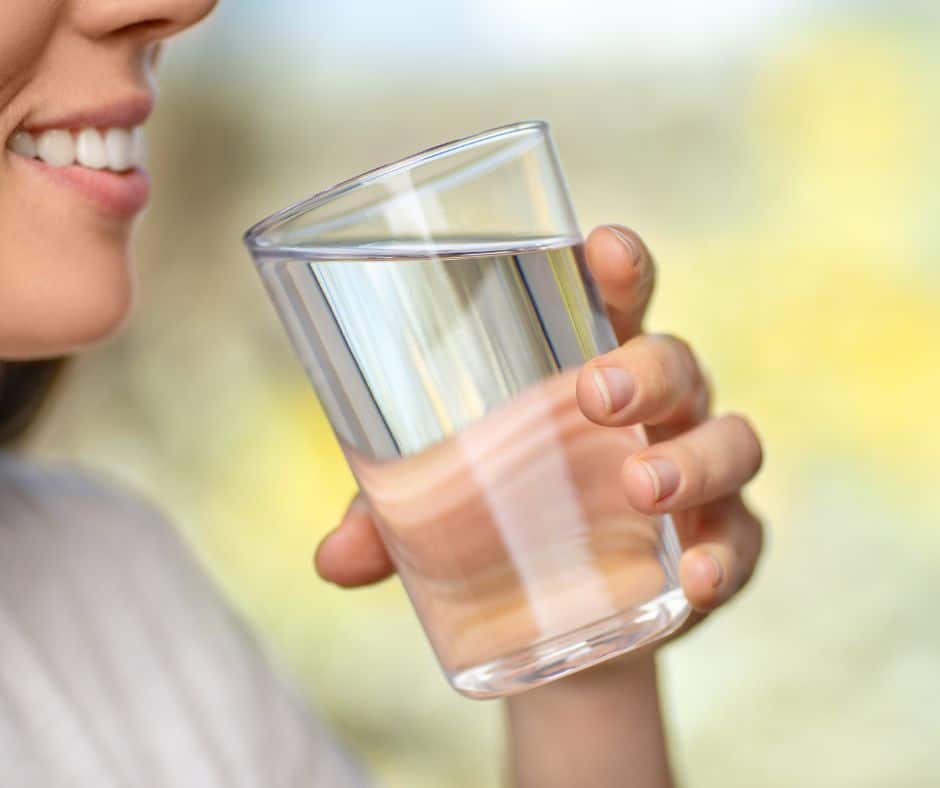
After acidic food or drink, rinse with plain water. This helps dilute acidity and allows saliva to restore the oral environment more quickly. At this point, water is preferable to immediate brushing.
3. Wait before brushing
Wait at least 30–60 minutes after acidic food or drink before brushing. This gives saliva time to remineralise the surface and improve resistance to abrasion. If you are in a hurry, delay brushing rather than brush too soon.
4. Chew sugar-free gum
Sugar-free gum, particularly with xylitol, stimulates saliva. More saliva helps neutralise acids sooner and supports enamel. It can be useful after eating away from home when brushing is not possible.
5. Consider dairy foods
After acidic food, a small piece of mature cheese can be helpful. Cheese contains calcium and phosphate, supporting enamel remineralisation and reducing acidity in the mouth.
The value of a post-summer dental check
Many patients delay appointments when nothing hurts, but pain can be a late sign of enamel erosion. A post-summer examination provides an opportunity for preventive assessment.
Your dentist may identify early signs you would not notice yourself:
- Early detection: comparing the condition of your teeth helps monitor how quickly enamel is wearing.
- Checking microfractures: diagnostic instruments can identify enamel changes before they become a more substantial problem.
- Professional remineralisation: in early stages, concentrated fluoride or hydroxyapatite products can strengthen enamel and help control deterioration.
- Reviewing habits: discussion identifies summer habits that may put your smile at risk and helps tailor prevention to your lifestyle.
When is treatment needed?
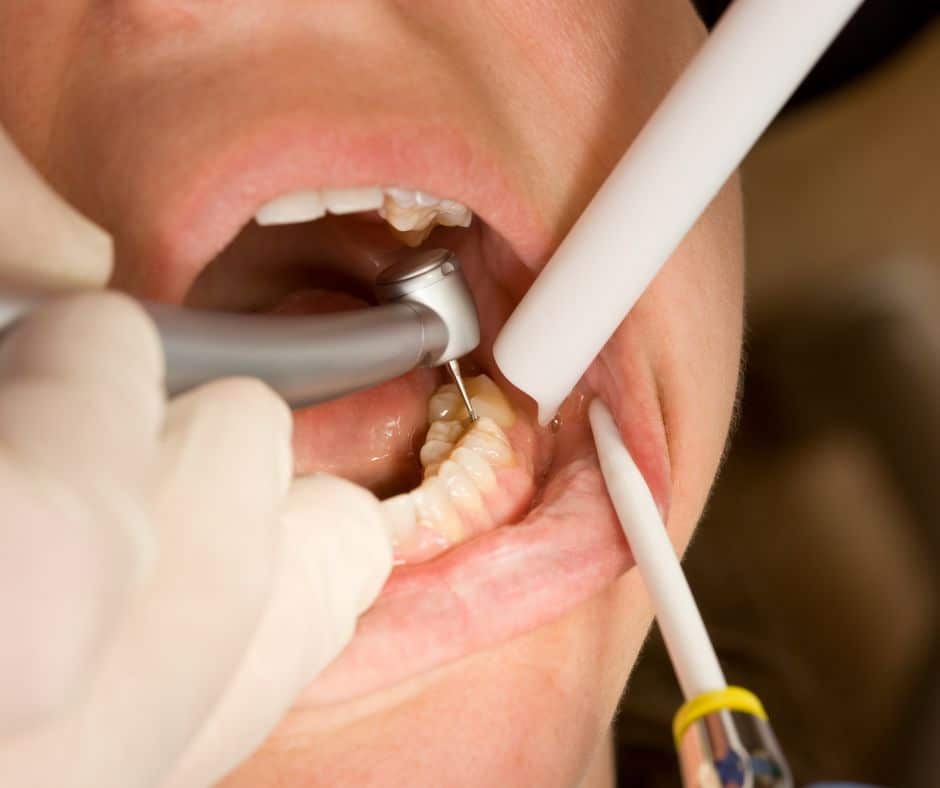
If erosion progresses, enamel is lost and dentine remains exposed. Sensitivity may become persistent, while strength and appearance are affected. Restorative options may help recover function and appearance:
- Composite bonding and veneers: in milder erosion, lost tooth structure can be rebuilt with natural-looking composite materials using a minimally invasive approach.
- Ceramic veneers: where appearance is significantly affected or enamel weakened, ceramic veneers can protect remaining tissue and restore a harmonious shape with good strength.
- Crowns: in severe cases with extensive enamel loss, crowns may be needed to protect the remaining tooth and maintain bite function.
Prevention through understanding
Brushing matters, but understanding how food and drink affect the mouth is also essential. Enamel erosion is more than a cosmetic concern. If it continues, it may lead to extensive restorative treatment. Our aim is both to repair damage and help you prevent it.
Busy summer schedules can disrupt oral care. Enamel cannot regrow, so even small losses accumulate. Understanding drink acidity, the timing of brushing and saliva’s role helps you make informed choices about your oral health.
Enjoy summer with informed care
Summer is for relaxation and memories. With practical information and timely care, you can enjoy it while protecting your teeth. Rinsing with water, waiting before brushing and staying hydrated are simple habits that support oral health beyond the holiday season.
Do not let small changes become lasting discomfort. Your teeth deserve attention throughout the year. If you notice sensitivity or want advice about enamel protection, our team can help. Book an examination to support a healthy smile in every season.
Frequently asked questions about enamel erosion
1. Can toothpaste repair enamel erosion? Fluoride and hydroxyapatite toothpastes may help maintain the enamel surface and reduce sensitivity, but cannot replace lost tissue. They support prevention; more substantial erosion needs professional assessment to address its cause and progression.
2. Are fresh fruit juices good for teeth? They contain vitamins, but are also acidic and contain natural sugars. Have them with a main meal rather than sipping for hours between meals.
3. Is an electric toothbrush better for eroded teeth? An electric toothbrush with a pressure sensor can help prevent excessive brushing force, which matters when enamel is already vulnerable to abrasion.
4. How quickly does erosion progress? This depends on habits. With daily acidic drinks and reduced saliva, clinically visible erosion can develop within months, making summer habits particularly relevant.
5. Does smoking affect erosion? Smoking does not directly cause chemical erosion, but contributes to dry mouth. Reduced saliva weakens natural protection against acids and can indirectly accelerate enamel damage.
6. Are children more exposed to erosion? Children and adolescents may consume large amounts of fizzy and energy drinks. Enamel on baby teeth or newly erupted permanent teeth may also be thinner or less mature than adult enamel.
7. What is remineralisation? It is the natural return of minerals such as calcium and phosphate from saliva to the enamel surface, helping repair early mineral loss before permanent tissue loss occurs.
8. Can mouthwash prevent erosion? Fluoride mouthwash may help strengthen enamel, but does not replace brushing and interdental cleaning. Ask your dentist which product suits your needs.