
Invisalign®: align your
teeth with a digital
plan
Custom-made clear aligners and ClinCheck planning map the movement of your teeth and help monitor it throughout treatment.
-
Aligners for your
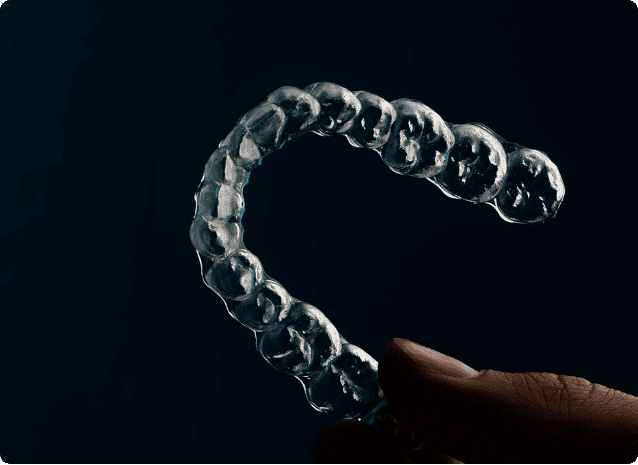
teeth and biteInvisalign® uses custom-made, removable clear aligners. Each aligner gradually guides the tooth movements set out in the plan, without the metal wires of conventional braces.
Treatment may address crowding, gaps and certain bite problems involving contact between upper and lower teeth. The aim includes both alignment and the relationship between the arches, according to the needs identified at your consultation.
-
Assessment before
treatmentYour examination establishes which corrections are needed and whether Invisalign® can achieve them. Teeth that appear similarly misaligned may require different treatment plans.
Tell your clinician about crowns, bridges, implants and any jaw-joint problems so they can be considered in planning. The choice also takes gum health and your ability to wear the aligners consistently into account, alongside appearance.
From the ClinCheck plan to custom aligners
-
Consultation and
digital scanningAt your examination, we assess teeth, bite contacts and previous treatment. We collect the information needed to define objectives and assess suitability.
An intraoral scan records both arches and how the teeth meet, creating a three-dimensional model. This information, together with the clinical assessment and your preferences, guides treatment planning.
-
Digital planning with
ClinCheck®ClinCheck® is the software used to plan Invisalign® treatment. It defines the sequence of movements and previews the intended tooth positions.
You can view the simulation and understand the proposed changes before aligners are made. Your clinician assesses feasibility: the design is a clinical objective, checked against the actual response of your teeth throughout treatment.
-
Aligners and first
fittingOnce the plan is approved, the manufacturer produces the aligners in SmartTrack®, the Invisalign® thermoplastic material. Each aligner corresponds to a stage of the planned corrections.
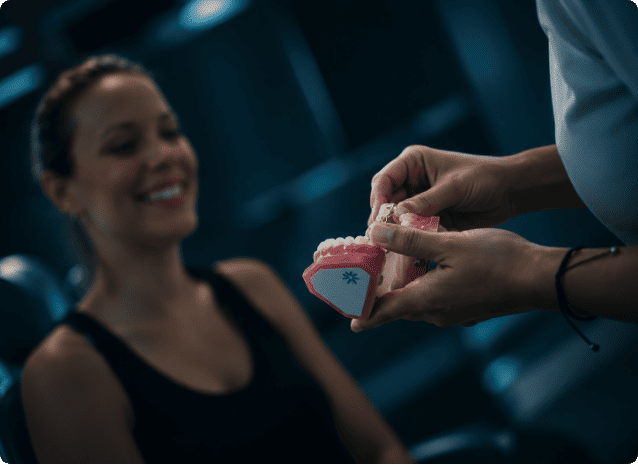
The first fitting takes place at the clinic. We check the fit and explain how to insert and remove the aligners. Attachments may be fitted: small tooth-coloured composite shapes that help aligners guide tooth movement.
-
Reviews and
possible refinementsChange aligners according to the agreed schedule, without moving to the next one early yourself. At reviews, we check tooth movement and aligner fit.
New scans and an additional aligner sequence may be needed to complete some corrections. This refinement stage depends on the clinical response and may require the original schedule to be updated.
Daily wear, duration and retention
-
Daily wear and adjustment
Invisalign® aligners are worn for 20–22 hours a day and removed for meals and oral hygiene.
Wearing them only at night is not enough.A new aligner may cause temporary pressure or sensitivity; speech may also change while you adjust. Report persistent discomfort to your clinician without modifying aligners or interrupting the prescribed schedule yourself.
-
Cleaning and caring for aligners
Clean teeth and interdental spaces before reinserting aligners. Clean the aligners regularly as instructed. Remove them for eating and drinking anything other than plain water, and keep them in their case.
Avoid smoking while wearing aligners, as they may stain. Keep previous aligners: if one is lost or damaged, contact your clinician before reusing an earlier one or changing the schedule.
-
Duration and treatment response
Duration depends on the complexity of the corrections, number of aligners and consistent wear. Treatment may take several months and, in more involved cases, longer than a year.
Once treatment is planned, you receive a personalised estimate of its duration. We review this at check-ups, as tooth movement and any refinements may affect the timescale.
-
Retention and long-term stability
After active treatment, a retainer is selected to maintain the achieved position. Your clinician decides which type to use and how maintenance should continue.
Retention serves a different purpose from aligners that move teeth, and requires specific instructions on wear, cleaning and check-ups. Do not stop using your retainer yourself because your smile looks straight: retention is part of treatment.
Care from the first scan to follow-up
Invisalign® treatment at our clinic includes assessment, digital scanning, explanation of the plan and the first aligner fitting. Before starting, you will understand the planned corrections, daily commitment and review schedule.
Your dentist reviews and approves the ClinCheck® plan, then monitors tooth movement and makes any necessary adjustments. The digital preview helps you understand the goals, while clinical expertise guides each stage of treatment.

Frequently asked questions
Can Invisalign® also correct bite problems?
Yes. Invisalign® may be considered for certain bite problems as well as crowding and gaps. Suitability depends on the corrections needed, the relationship between the arches and oral conditions. Crowns, bridges, implants and gum health are also assessed. Only then can your clinician determine whether Invisalign® is appropriate or another orthodontic approach is needed.
How many hours a day should I wear Invisalign®?
Invisalign® aligners are usually worn for 20–22 hours daily and removed for meals and oral hygiene. Night-time wear alone is insufficient. Change them according to the agreed schedule, without moving to the next set early. Consistent wear affects movement and total treatment duration, which are assessed at reviews.
How long does Invisalign® treatment take?
Duration depends on correction complexity, aligner number and consistent wear. Treatment may take several months or longer than a year in complex cases. After planning, you receive an individual estimate, checked during reviews. Actual tooth response and any refinement with additional aligners may change the initial timescale.
Is Invisalign® treatment painful?
Invisalign® may cause pressure or temporary sensitivity, particularly with a new aligner. This relates to the forces guiding tooth movement and varies between patients. Speech may also take a short time to adjust. Contact us if discomfort persists, worsens or causes irritation; do not modify aligners or stop treatment yourself.
Will I need a retainer after Invisalign®?
Yes. After active treatment, a retainer helps maintain tooth position. Retention differs from the aligners used during treatment and may have specific wear, hygiene and review requirements. Your clinician selects the appropriate appliance and maintenance plan. Do not stop wearing it yourself once teeth appear straight, because retention remains part of orthodontic care.
Complete the form to book your free consultation with the Smile team.
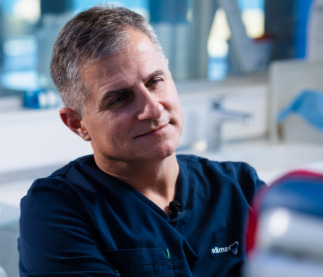
Darko Slovša and the Smile team
Specialist expertise, coordinated care.
Dr Darko Slovša, Dr. Sc., M.Sc., DDS, is a specialist in implantology and oral surgery. The Smile team brings together surgeons, dentists, dental technicians and assistants who work together throughout your treatment.