Tooth extraction: procedure,
healing and follow-up
From assessment to healing, carefully planned care to remove a tooth when indicated and protect the surrounding tissues.
When an extraction
may be needed
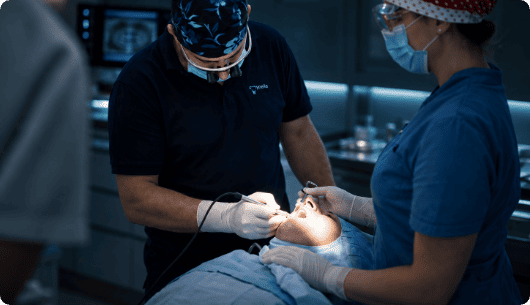
Tooth extraction removes a tooth from its socket, the bony cavity that holds its roots. It may be necessary when extensive damage or loss of support prevents the tooth from being retained. Deep decay, fractures, infections that cannot be resolved by other treatment and advanced periodontitis are among the conditions assessed. Before proceeding, your dentist considers the options for saving the tooth.
Extraction may also form part of orthodontic treatment or address wisdom tooth problems. In these cases, the decision considers the tooth’s function and the overall treatment plan, not only whether it hurts.
From initial assessment to protecting the healing site
-
Clinical assessment
and X-raysDuring your examination, we assess the tooth, gums and existing dental work, and review your general health and medication.
X-rays show the position, shape and curvature of the roots. These findings help us choose the extraction technique and determine whether further investigations are needed.
-
Medication and preparation
for surgeryTell us about all medication you take, including anticoagulants and antiplatelet medicines. Do not stop or change them yourself: any adjustments must be agreed with the professionals involved.
Antibiotics are prescribed only when indicated, either to treat an infection or for specific preventive needs. Before your appointment, you receive instructions relevant to your situation; premedication is not the same for every patient.
-
Local anaesthesia and comfort
during the procedureLocal anaesthesia controls pain in the area being treated. You may feel pressure or movement during extraction. If you feel pain, tell us immediately so we can check the anaesthesia.
If you are anxious about surgery, you can also request sedation to help you feel more comfortable. Suitability is assessed beforehand. Sedation does not replace local anaesthesia and is not needed for every extraction.
-
Simple tooth
extractionA simple extraction is performed when the tooth is accessible and can be removed without surgical access to the root. X-ray assessment complements the examination of the visible tooth.
After administering local anaesthetic, the dentist gently loosens the tooth with specialised instruments and removes it from the socket. The technique is adapted to the shape of the roots and the condition of the surrounding tissues.
-
Surgical extraction
and impacted teethAn impacted tooth, a root below the gum or complex anatomy may require surgical access. The gum is incised and lifted to reach the site. Where necessary, a limited amount of bone is removed and the tooth is divided into sections. This can make removal easier through the prepared opening than attempting to extract the whole tooth at once.
-
Bleeding control
and closureAfter removing the tooth, the dentist checks the socket and controls any bleeding. Depending on the procedure, materials that help blood clot and stitches may be used to protect the area.
Pressure on gauze helps stop bleeding. Keep it in place as instructed rather than repeatedly checking the wound. Before leaving the clinic, you will know the precautions to follow at home and the planned follow-up appointments.

Healing and precautions after tooth extraction
-
Pain, swelling and healing time
Pain, swelling and difficulty opening your mouth fully may occur over the following days. Their intensity varies with the extraction and is managed using the advice and medication prescribed.
Improving symptoms do not mean healing is complete. The gum gradually closes over the following weeks, while bone healing takes longer. Follow-up is planned according to your recovery.
-
Dry socket after extraction
Dry socket can occur when the blood clot does not adequately protect the socket because it has not formed properly or has been lost too early. It does not automatically indicate a bacterial infection.
It may cause severe pain a few days after extraction, sometimes with an unpleasant smell or taste. A dentist needs to assess it and may treat the site locally. Do not place products in the socket or start antibiotics yourself.
-
Protecting the clot in the first hours
A blood clot forms in the socket to protect the wound during early healing. Do not touch it with your tongue, fingers or other objects.
For the first 24 hours, avoid vigorous rinsing, repeated spitting and drinking through a straw. Follow the instructions on gauze and do not try to clean inside the socket: disturbing the clot can impair recovery.
-
Smoking, alcohol and returning to activities
Smoking can impair healing and increase the risk of complications. Avoid smoking and alcohol for the period advised by your dentist; a brief pause immediately after surgery is not sufficient.
Physical exertion should also be limited initially. Returning to work and sport depends on the extent of the extraction, your symptoms and the activity involved, rather than a fixed deadline for everyone.
-
Eating and oral hygiene
Resume eating as instructed, once the anaesthetic has worn off. Initially choose soft foods that are not hot and chew away from the surgical site. Continue cleaning your other teeth without disturbing the wound. Your dentist will explain how to care for the treated area and when any rinses should be used. Protecting the socket does not mean stopping oral hygiene throughout your mouth.
-
Symptoms to report to the clinic
Contact the clinic if bleeding does not stop despite following the instructions, swelling increases, fever develops or pus appears. Also report persistent changes in sensation.
For complex extractions, we explain risks related to nearby nerves and the maxillary sinus. Difficulty breathing or swallowing requires urgent assistance; do not wait for your scheduled review.
Considering extraction within your treatment plan
At Smile, extraction is considered alongside your oral and general health. Before treatment, we assess the problem, options for preserving the tooth and recovery needs. If the tooth needs replacing, planning also includes the future restoration. Diagnostics and our in-house digital laboratory help coordinate the clinical and prosthetic stages.
Depending on your plan, a temporary restoration may be provided during healing. This is discussed before surgery: extracting a tooth does not automatically mean fitting an implant or restoration during the same appointment.

Frequently asked questions
Do wisdom teeth always need removing?
No. A wisdom tooth is not removed automatically. The decision depends on its position, decay, infection, damage to neighbouring teeth or other documented problems. Even a tooth impacted within gum or bone may be retained if it causes no clinical problems. Assessment considers X-rays, root anatomy, surrounding tissues and the overall treatment plan. However, absence of pain alone does not establish whether a tooth can be retained.
Should I stop anticoagulants before an extraction?
No. Do not stop or change anticoagulants or antiplatelet medicines yourself before extraction. Tell us all medicines you take and medical conditions you have. Your dentist assesses bleeding risk and agrees any necessary changes with your treating doctor. Local measures such as haemostatic materials or sutures may help control bleeding and protect the site afterwards.
Is tooth extraction painful?
Extraction is performed under local anaesthesia to control pain. You may feel pressure or movement. If you feel pain, tell us immediately so we can check the anaesthetic. With significant anxiety, suitability for sedation can be assessed; sedation does not replace local anaesthesia and is not needed for every extraction. Pain and swelling may occur afterwards, depending on the procedure and your response.
How long does healing take after extraction?
Healing occurs in stages and varies between patients. Pain, swelling and difficulty opening the mouth may occur in the following days and usually decrease gradually. Gums heal over the following weeks, while bone takes longer. Recovery depends on extraction complexity, general health and individual response. Reviews are scheduled according to wound healing and clinical need.
Which symptoms after extraction require a review?
Severe pain that starts or worsens several days after extraction needs dental assessment. It may be associated with dry socket, where the clot is lost or does not protect the socket, rather than necessarily bacterial infection. Also contact the clinic for persistent bleeding, increasing swelling, fever or pus. Do not place products in the socket or start antibiotics yourself.
Complete the form to book your free consultation with the Smile team.
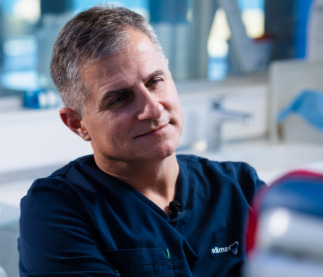
Darko Slovša and the Smile team
Specialist expertise, coordinated care.
Dr Darko Slovša, Dr. Sc., M.Sc., DDS, is a specialist in implantology and oral surgery. The Smile team brings together surgeons, dentists, dental technicians and assistants who work together throughout your treatment.