Sports dentistry: why healthy teeth and jaws underpin high-level sporting performance
In professional and amateur sport, success may be measured in hundredths of a second, millimetres or the force of a single movement. Athletes devote considerable time to strength, cardiovascular fitness, tactics, psychological readiness and nutrition. They spend thousands of hours training and carefully adjusting their diet and workload. Yet oral health, teeth and jaw joints are often overlooked until an injury affects performance or a career.
Sports dentistry is relevant beyond professional contact sports such as boxing, mixed martial arts and ice hockey. It is part of sports medicine, protecting health and supporting a lasting sporting career. At Poliklinika Smile we believe every athlete, from professionals to weekend players, deserves dental care adapted to an active lifestyle.
What is sports dentistry, and how does it extend routine care?
Sports dentistry focuses on preventing, diagnosing and treating dental and jaw injuries directly or indirectly related to sporting activity. Alongside treating dental and gum disease, it considers the specific risks athletes face on the pitch or in the gym.
Athletes face particular physiological demands. Heavy mouth breathing during exertion can dry the mouth and change saliva conditions, increasing decay risk. Stress, clenching or grinding under effort, and impact risks also call for an understanding of sporting activity. At Poliklinika Smile, our approach considers oral health in relation to the athlete’s wider function, including jaw comfort, balance and performance.
The biomechanics of impact: what happens when the jaw is struck?
During an elbow strike, a collision while jumping for the ball or a fall onto a hard surface, impact force travels through facial structures. Teeth and jaws absorb some of that force. Trauma occurs when it exceeds the strength of the teeth or their supporting tissues.
Teeth are held in bone by the periodontal ligament, designed to absorb chewing forces rather than the force of a sporting collision.
Types of dental trauma
- Crown fractures: commonly caused by direct impact. A fracture may appear cosmetic, but can expose the pulp to bacteria. Without timely care, the pulp may die, leading to more involved root canal treatment.
- Avulsion, or a knocked-out tooth: the tooth is completely displaced from its socket. Minutes matter. The first 60 minutes are often described as the golden hour; after this, the prospects of successful replantation fall as cells on the root surface are damaged.
- Luxation, or displacement: a tooth may be pushed inwards, outwards or sideways. Urgent repositioning and stabilisation may be needed to protect its blood supply. Because the tooth is still present, the injury can be underestimated; delayed specialist assessment may result in lasting root damage.
- Jaw fractures: severe impact can exceed the strength of the bone. Surgery and fixation with wires or plates may be needed, followed by lengthy rehabilitation that can keep an athlete away from sport for six months or more.
The bite and sporting balance
Jaw position is described as influencing spinal stability and overall balance. When the bite is uneven, jaw and neck muscles may compensate for this imbalance.
This ongoing tension leads to tension headaches that athletes often attribute to tiredness or lack of sleep, but which result from overloaded jaw muscles and temporomandibular disorders. Studies have shown that a balanced bite improves proprioception, the body’s sense of its position in space. Athletes with a balanced bite are more stable, faster and less prone to chronic fatigue. At Poliklinika Smile, we use digital tools to analyse your bite so your jaw works with you. A balanced bite also improves breathing because the jaw is close to important structures affecting the airway.
Football and dental trauma
Football is often considered less risky for dental injuries than hockey or boxing, yet facial injuries occur frequently among players.
Why are footballers exposed?
- Unpredictable collisions: players may collide head-to-head when contesting the ball. An open jaw during a jump can be particularly vulnerable.
- Elbows: during crowded set pieces, elbows may be at an opponent’s face level.
- Playing surfaces: falls on artificial turf or hard futsal surfaces can deliver a direct blow to the chin and cause indirect dental trauma.
Professional players increasingly recognise protection as a sensible career decision. A knocked-out tooth can mean months of rehabilitation, bite changes and psychological strain. Because communication matters in football, a jaw injury can also affect speech and concentration.
Growing jaws in young athletes
Football, handball and basketball also carry risks for children whose jaws are developing. Trauma to a baby tooth can permanently damage the developing permanent tooth beneath it.
A sports mouthguard therefore helps protect future as well as existing teeth. Smile’s custom mouthguards are reviewed as children grow and replaced when needed to maintain an appropriate fit.
Why custom-made mouthguards?
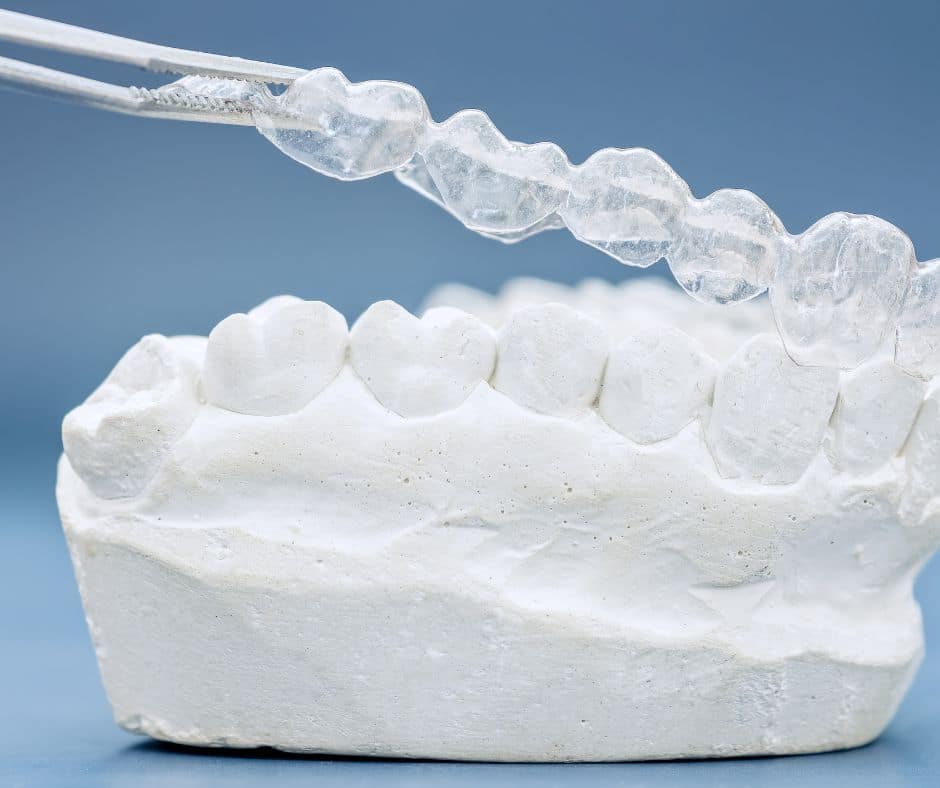
Many athletes use shop-bought boil-and-bite mouthguards, which may not provide the fit they need.
- Precision: a mouthguard made from your dental impression fits closely and does not need to be held in place with your tongue.
- Breathing: a carefully designed, less bulky mouthguard allows space for breathing during exertion.
- Communication: players need to call and give instructions. Our mouthguards are designed to support clear speech.
- Impact absorption: layered materials are designed to absorb impact forces and limit their transmission to the jaw joint and head.
Nutrition and silent enamel erosion in athletes
Sports drinks and energy gels often contain acids and sugars. Prolonged exposure can erode enamel, the tooth’s first protective layer. Thinning enamel can increase sensitivity, decay risk and vulnerability to impact. At Poliklinika Smile, we advise athletes on reducing exposure, for example by using a straw or rinsing with water after a drink.
Confidence and protection
Physical security and confidence are closely connected. Fear of injury can affect how fully a player commits to a challenge. A professional mouthguard can provide reassurance, helping athletes focus more confidently on their game.
Long-term oral health for athletes
Sports dental care includes:
- Comprehensive annual check-ups to identify hidden infection.
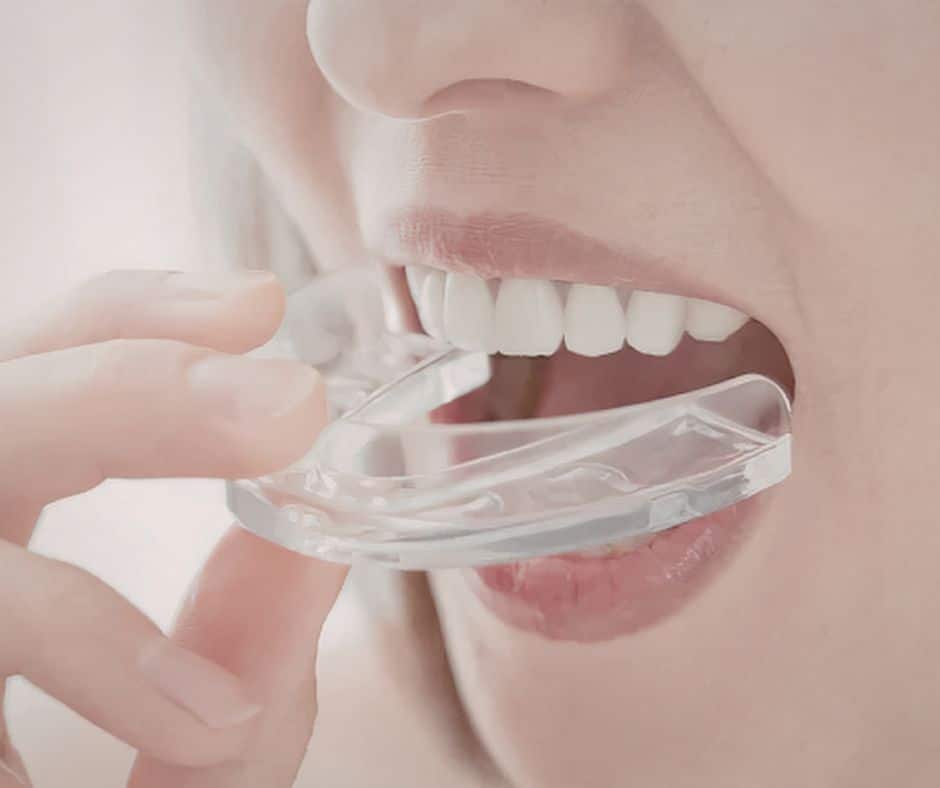
- Assessment of grinding and clenching, with night guards where appropriate.
- Orthodontic support for tooth positions that are easier to clean.
Frequently asked questions from athletes and parents
- Can I wear a mouthguard with fixed braces?
- Yes, and it is strongly recommended. With fixed braces, an impact can injure soft tissues as metal brackets cut the inside of the lip. Our custom mouthguards are designed to protect both the teeth and braces.
- How often should a mouthguard be replaced?
- For adults, we recommend replacement before each new season. Children and adolescents may need a new mouthguard every six months because of jaw growth and the change from baby to permanent teeth.
- Does taking an impression hurt?
- At Poliklinika Smile, taking an impression is painless and takes only a few minutes. We use modern, comfortable impression materials intended to minimise gagging.
- Are mouthguards only for professionals?
- No. Amateur athletes face the same injury risks and often have less immediate access to emergency dental care. Protection matters in recreational games as well as championship finals.
- Can a mouthguard prevent concussion?
- Mouthguards primarily protect the teeth and jaws. A well-made custom mouthguard also helps absorb impact energy transmitted from the jaw to the skull base, contributing to a lower risk of more severe concussion.
- What if a tooth is knocked out abroad or during an away match?
- Prompt action matters wherever you are. Keep the tooth in cold milk and contact a dentist immediately, ideally within the first hour. The Smile team is available by telephone to help guide urgent next steps.
- Will the mouthguard show when I smile?
- Our custom mouthguards are designed to be slim and discreet, with less bulk than shop-bought versions, helping you feel comfortable on and off the pitch.
Looking after your sporting future
Health supports sporting achievement at every level. When caring for your body, include your oral health. At Poliklinika Smile, preventive dentistry is an investment in long-term comfort and continued participation in sport.
Focus on your game while we help you plan protection. Book a consultation to assess your bite and discuss a custom mouthguard. Your sporting career or hobby deserves thoughtful care.